Posts

Showing posts with the label BASIX consultants

JV3 vs Section J: Key Differences Every Builder Must Know

Image
  Many builders talk about "JV3 vs Section J" as if they are two competing options. They are not. Section J is the energy-efficiency rulebook every commercial building must meet, and JV3 is just one way to prove you meet it.  Understanding this difference clears up a lot of confusion before you start a project. Getting your NCC BCA Section J compliance right starts with understanding how these two relate. What Is Section J? Section J is the energy efficiency part of the National Construction Code. It applies to commercial buildings, covering classes like offices, shops, hotels, and warehouses. It sets the standards your building must meet across several areas: Insulation and the building shell Glazing and window performance Heating, cooling, and ventilation Lighting and power On-site energy, like solar Meeting these NCC Section J requirements is mandatory, not optional. Every new commercial building has to comply before it can be approved, which is why Section J energy effic...

How BASIX Certificates Contribute to Australia’s Climate Goals?

Image
  BASIX certificates play a key role in Australia’s push toward sustainability. They help reduce carbon emissions from homes and buildings. And they directly support national climate targets. In fact, residential buildings account for over 10% of Australia’s total carbon footprint.  That is where the BASIX certificate system steps in. With the help of experienced BASIX consultants , builders and homeowners can meet these standards efficiently and avoid unnecessary delays in approval. What Is a BASIX Certificate? A BASIX certificate stands for Building Sustainability Index compliance. It ensures your residential project in NSW meets government benchmarks in three core areas: Energy consumption Water usage Thermal performance You cannot get a DA (Development Application) approved in NSW without this certification. It is legally required for: All new residential homes in NSW Alterations and additions valued over $50,000 Choosing a trusted partner simplifies this process. They hav...

Can Solar Panels Improve Your NABERS Rating?

Image
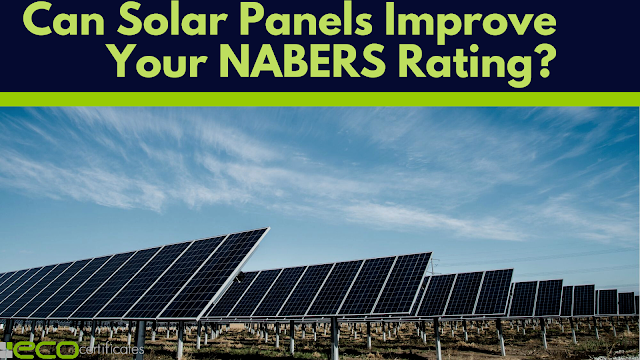
  Energy Efficiency regulations are becoming increasingly stringent in Australia. And therefore, commercial and residential building owners need to comply with sustainability standards to maintain a brand in the market.    NABERS, Section J, and JV3 assessment are three sustainability measuring scales applicable for commercial buildings.  What Is NABERS Rating? NABERS is an acronym for the National Australian Built Environment Rating System.  It functions similarly to the energy star ratings you see on electrical appliances but applies to commercial buildings. The NABERS rating considers energy, water, waste, and the indoor environment. NABERS star ratings begin from 1-star, indicating a start, to 6-star, reflecting market-leading standards. The NABERS assessment helps building owners and managers measure their assets' environmental performance, impact, and progress, and the ratings are updated annually. Installing commercial solar panels is one of the eas...

Best Tips To Achieve 6-star Ratings For NATHERS Certification

Image
Nationwide House Energy Rating Scheme, popularly known as NatHERS assessments, is the easiest way to demonstrate compliance with the minimum energy efficiency requirements of the National Construction Code (NCC). In fact, the NatHERS assessment is one of the fundamental components of the BASIX report for the thermal comfort section.  Energy assessors leverage the NatHERS rating tools to evaluate and get an approximate value of artificial heating and cooling requirements of your residential structure. The house will need to stay comfortable throughout the year in all seasons.  The outcomes are converted to a star rating between 0 and 10 stars and form a component of the NatHERS certificate . What Do The Stars Ratings In NatHERS Certificate Indicate? Residential structures with a greater star rating are considered more thermally comfortable and cost-effective to operate than dwellings with a lower NatHERS star rating. A 0-star rating indicates the residential construction pla...