How Section J Requirements Differ Between Australian States

Image
  If you are building a commercial property anywhere in Australia, NCC BCA Section J compliance is a legal requirement, not a choice. It sets energy-efficiency standards that every new commercial building must meet before it can be approved. The core rules are national, but each state adds its own twist, and missing those local variations causes costly delays.  Here is how Section J works, and where the states differ. What Is Section J? Section J is the energy efficiency chapter of the National Construction Code. It applies to commercial building classes 3 and 5 through 9, covering offices, hotels, shops, warehouses, schools, and hospitals. The rules were tightened significantly in NCC 2022. There are now two mandatory performance requirements, and a new 7-star thermal standard applies to certain dwelling types. Every project must prove compliance through a formal NCC BCA Section J report before a Construction Certificate is issued. Is It Mandatory Everywhere? Yes. Section J...

Avail NABERS and BASIX certificate For Eco-friendly Home

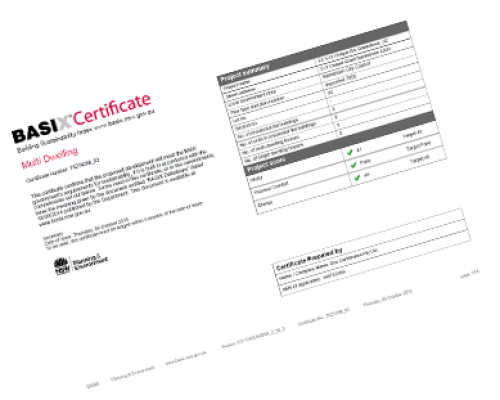
Basix Certificate
Preserving the environment is an important aspect as there are lots of problems prevailing in society due to the degradation of the environment. Thus, eco-friendly home is need of an hour. Mostly these could be done simply by using two different methods such as NABERS and BASIX. We have provided detailed information on these methods. To get its insights- Scroll down!

What is BASIX?

BASIX
Either for building a new home or renovating home up to the value of 50,000$, the BASIX certificate is required. Building sustainability Index (BASIX) intends to reduce water and energy consumption as well as to reduce greenhouse gas emissions in New South Wales. BASIX assessment can be completed by an online tool with other specific targets before it gets issued with a BASIX Certificate.

Procuring BASIX Certificate

You can increase the possibility of adhering to the BASIX requirements by studying water and heating in your home and by making possible changes in it. One can increase the capacity of the rainwater tank and can install the double glazing. Installing roof ventilation also assist in completing BASIX requirements.

What is NABERS?

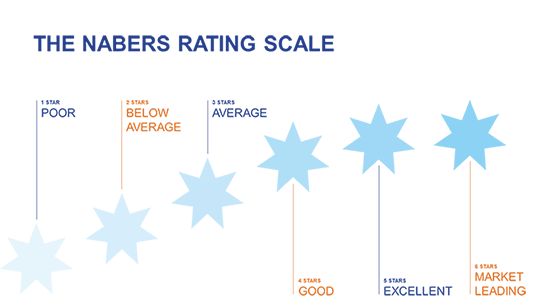
Nabers Rating
NABERS stands for the National Australian Built Environment Rating System, which is used to understand the impact of a building. Moreover, it includes building such as apartment buildings or office blocks. The building is awarded ratings which starts from one star which means poor and six-star means best according to the energy-efficient standard. Carbon emissions of the building as well as water consumption and waste must also be considered.

Progressing NABERS Score

An easy way of improving the NABERS rating includes the installation of LED lights, insulation of the building, installing double glazing, and boosting the performance of air conditioning and heating systems. You could also look into signing up to a green power scheme, that is by installing solar panels.

If you have any confusion regarding BASIX or NABERS, get in touch with the Eco Certificates as they have professionals to deal with NABERS and BASIX standards.

Comments

Popular posts from this blog

When Is a BASIX Certificate Required in New South Wales?

NABERS Rating or Green Star: Which Suits Your Building Project?

How JV3 Modelling Shapes the Future of Energy Compliance in Australia